Fibermaxxing with IBS: How to Do It Right Without the Flare-Ups
Before I was diagnosed with irritable bowel syndrome (IBS), I used to think I was eating really well. Beans were a staple at dinner; I reached for whole wheat bread and pasta, and I roasted cauliflower and broccoli on repeat. By most nutrition standards, I was doing great. But I was also bloated, gassy, in pain, and constipated more often than not.
It took me a long time to connect the dots between those “healthy” foods and my IBS symptoms. So when I see fibermaxxing (a social media trend encouraging people to load up on high-fiber foods for better gut health), I get it. The research is solid. But if you have IBS, “just eat more fiber” isn’t quite the right message.
As a registered dietitian who also has IBS, I want to help you increase your fiber in a way that actually feels good. Here’s what I’ve learned along my journey.
What Is Fibermaxxing?
Fibermaxxing is a social media trend that encourages increasing your intake of high-fiber foods. This trend actually is based on good intentions and research. According to the Mayo Clinic, eating more high-fiber foods can support gut health, help with weight management, improve blood sugar control, and reduce the risk of cancer, including colon cancer.
As you can see, there are many good reasons that focusing on more high-fiber foods is beneficial. Not only that, most Americans don’t meet the recommended amount of daily fiber intake. Most Americans are lucky to meet even half of the recommended daily allowance (RDA) for fiber, which is 38 g for men and 25 g for women, or 14 grams per 1000 calories consumed.
But if you have IBS, increasing your fiber intake is a little more nuanced. I wouldn’t recommend just going for the fibermaxxing trend and loading up on fiber without considering what foods could cause you more digestive symptoms.
Why Fiber Gets Complicated with IBS
The main reason increasing your fiber intake if you have IBS is tricky is that many high-fiber foods are also high in FODMAPs. FODMAP stands for fermentable oligosaccharides, disaccharides, monosaccharides, and polyols. These include foods such as beans, whole wheat, and fruits and vegetables like apples and cauliflower. These foods may help you increase your fiber intake, but they also can cause digestive symptoms such as bloating, gas, abdominal pain, constipation, or diarrhea in people with irritable bowel syndrome.
When I was first diagnosed with IBS, I was eating a lot of these high-fiber foods. Beans were a staple in my diet, as were whole-wheat bread or pasta, and cauliflower was a regular vegetable I ate.
When I did the Low FODMAP elimination phase, I had to cut back on many of these high-fiber foods because they were also high in FODMAPs. My fiber intake was low, and my digestive symptoms were better, but that was because I eliminated the high FODMAP foods. Over time, I was able to gradually increase my fiber with the right foods, mostly low FODMAP foods, and then I could also add in the high FODMAP foods that did not trigger any symptoms. This is very individual and can be different for everyone.
For a list of high-fiber, low FODMAP foods, check out this guide on the Best High Fiber, Low FODMAP Foods.
The Fiber Type Balance Matters
When it comes to healthy digestion for IBS, the right type of fiber and the balance of these two fibers is very important. These two types of fiber are soluble and insoluble fiber. Soluble fiber forms a gel and dissolves in water, whereas insoluble fiber does not dissolve in water.
Soluble fiber helps to slow down digestion, which is really important if you have IBS-D (IBS with diarrhea). Soluble fiber also helps keep you full longer, lower cholesterol, feed gut bacteria, and improve blood sugar levels.
Soluble Fiber Foods: (includes some high FODMAP foods)
- Oats and barley
- Beans, lentils, and peas
- Fruits (especially apples, blueberries, and citrus fruits)
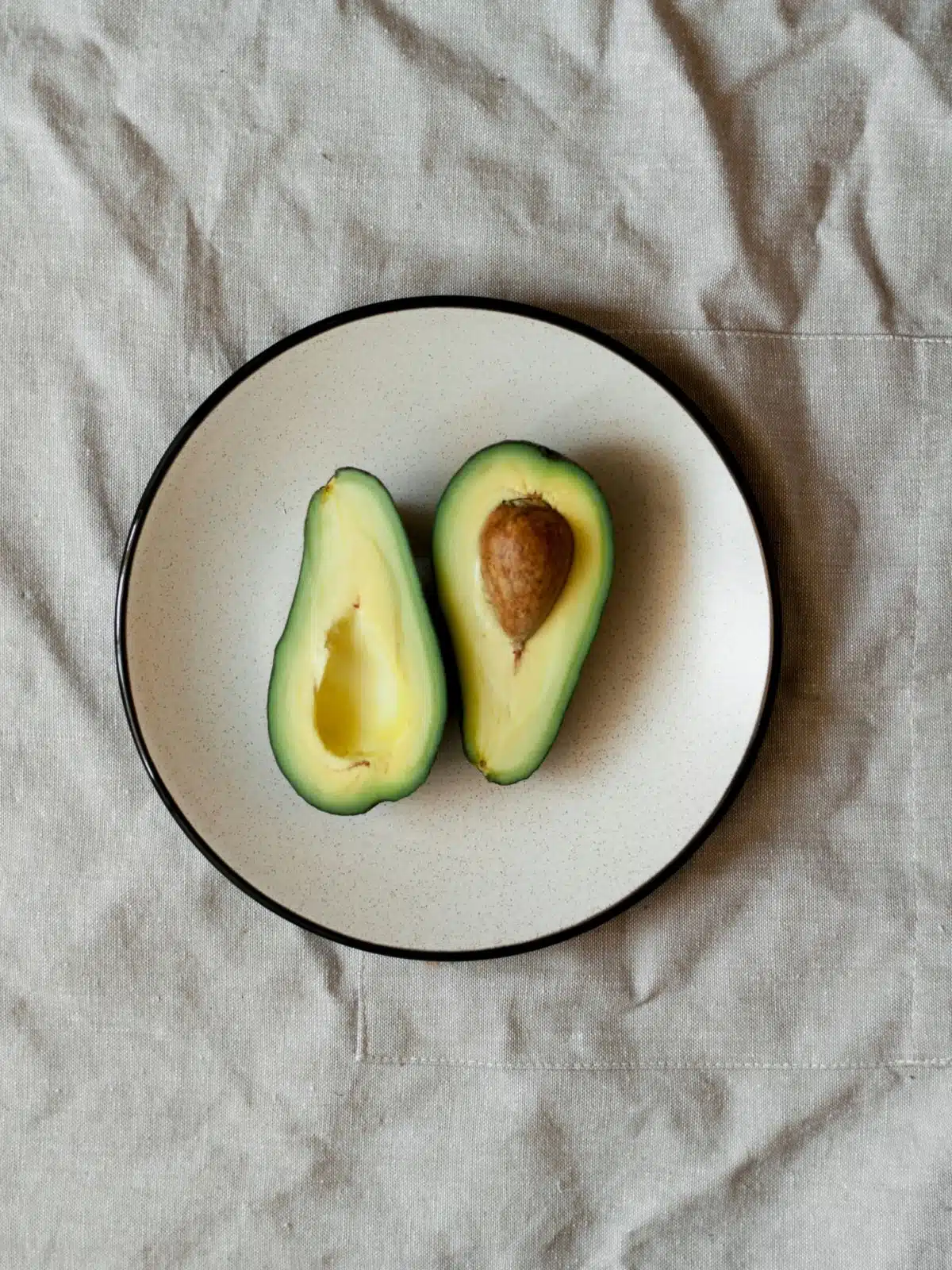
- Avocados
- Nuts and seeds
- Psyllium
Insoluble fiber adds more bulk to your stool to move food through the digestive tract, which can help improve constipation.
Insoluble Fiber Foods: (includes some high FODMAP foods)
- Wheat bran and whole-wheat products (e.g., whole-wheat breads and pasta)
- Brown rice
- Vegetables (particularly leafy greens, cauliflower, green beans, and potatoes)
- The skins and seeds of fruits
- Popcorn (air-popped, without butter)
Knowing your IBS subtype matters here, because the right fiber ratio is different depending on your symptoms:
- IBS-D (Diarrhea-Dominant): Maximize soluble fiber intake and limit insoluble fibers like raw veggie skins and wheat bran. Soluble fiber helps slow digestion and bind stools.
- IBS-C (Constipation-Dominant): Focus on a balanced mix of both types. Too much soluble fiber without enough insoluble fiber can slow digestion and worsen constipation — a lesson I had to learn firsthand.
- IBS-M (Mixed/Cycling): Aim for an even intake of both, but adjust based on your current symptom flare-up.
My Fiber Story
Since many of the high-fiber foods I used to eat trigger symptoms such as bloating, gas, and constipation, I’ve had to figure out which high-fiber foods I can eat without causing digestive upset.
Through my fiber journey, many days my fiber intake has been low, but I have learned what foods work for me, and you can do the same. Everyone has different foods that trigger their symptoms, so it’s best to use a food diary to track your symptoms and see what foods work best for you.
For example, I can tolerate some high FODMAP foods in small portions, such as apples and beans, which contribute to my fiber intake without triggering symptoms. I also focus on low FODMAP high-fiber foods like kiwi, chia seeds, carrots, and blueberries. You can find a fuller list of IBS-friendly high-fiber options in my Best High Fiber, Low FODMAP Foods guide.
And if I need to, I can add in psyllium powder to help boost my fiber intake. Psyllium powder has been shown in research to help with both IBS-C and IBS-D. If you use psyllium, just make sure you add it in gradually to prevent any digestive symptoms.
Don’t Forget the Water
When eating a high-fiber diet, it’s also very important to increase your hydration. Drinking more water along with increasing your fiber is the best combination. Learn from my lesson: when I increased my fiber, I did drink water, because I drink water every day. However, it wasn’t enough water to help flush the fiber. This can make you have more cramping and constipation. If you’re normally a good water drinker, still increase your fluids when you’re increasing your fiber.
According to a 2017 article in the World Journal of Gastroenterology, the recommended water intake is 1.5–3 liters daily. You can also calculate your specific needs by multiplying your weight in kilograms by 35 milliliters. You can read more about it in my blog post, “IBS and Water Intake: How Much Water Should I Drink?”
How to Actually Fibermax with IBS (Without the Flare)
Here are some practical tips to increase your fiber if you have IBS.
- Track your intake, at least at first, to know where you actually stand
- Go slow — increase fiber gradually to let your gut adjust
- Focus on low FODMAP fiber foods to prevent IBS symptoms, and include high FODMAP fiber foods that you tolerate well
- Pay attention to the soluble/insoluble ratio: aim for an even balance if you have IBS-C or IBS-M, and lean toward more soluble fiber if you have IBS-D
- Consider fiber supplements (psyllium, Sunfiber) to fill gaps without a high FODMAP load
Using these tips has helped me to improve my fiber intake. Not every day is perfect, but it’s easier to meet my daily fiber goal when I plan my meals ahead of time.
Conclusion
Fibermaxxing can absolutely work with IBS, but it takes a smarter approach than just eating more fiber. Incorporating more fiber may take some time and planning, and it’s a journey. It also takes some trial and error, and that’s okay.
If you’re dealing with flare-ups while trying to eat better, my IBS Flare-Up Rescue Guide walks you through exactly what to eat (and avoid) when your gut is not feeling its best.