
Anti-Inflammatory Diets and IBS
If you struggle with irritable bowel syndrome (IBS), you know how much of an impact diet can have on your symptoms. Certain foods can trigger bloating, discomfort, and digestive distress, while others can support gut health.
Over the years, I’ve experimented with different dietary approaches to manage my IBS, including the Low FODMAP diet and the Paleo diet. Each had its benefits and challenges, and through trial and error, I found what worked best for me.

Studies have shown that IBS is associated with inflammation. The Mediterranean diet is a nutritional intervention that frequently arises in discussions about gut health and its anti-inflammatory effects. Known for its heart-healthy benefits, it’s also rich in anti-inflammatory foods that may help alleviate symptoms in individuals with IBS. But how does it compare to other dietary approaches, like Paleo or Low FODMAP, when managing symptoms?
In this article, we’ll take a closer look at the Mediterranean, Paleo, and Low FODMAP diets, comparing their benefits and challenges for IBS. I’ll also share my personal experiences with Paleo and Low FODMAP to give you a real-world perspective on what it’s like to follow these eating patterns. By the end, you’ll have a clearer understanding of which approach might best fit your digestive health.
Understanding IBS and Inflammation
IBS is a complex, functional gastrointestinal disorder that is characterized by abdominal pain, bloating, gas, and altered bowel movements.
According to an article published in 2018 in the Journal of Inflammation Research, while the cause of IBS is still unknown, there is evidence of chronic low-grade inflammation associated with the disease process of IBS, and it is thought to perpetuate the symptoms. (1)
If inflammation is present and perpetuates the symptoms of IBS, reducing inflammation may improve the condition. One way to manage inflammation is through a well-balanced diet and nutrition therapy.
An anti-inflammatory diet may help reduce IBS symptoms and improve overall quality of life. But which anti-inflammatory diets are beneficial in resolving IBS?
Let’s take a look at the Mediterranean, Paleo, and Low FODMAP diets and compare them to determine the best option for feeling your best.
Watch the Video
Anti-Inflammatory Diets for IBS Comparisons
1. Mediterranean Diet for IBS
The Mediterranean diet is renowned for its numerous health benefits. It focuses on whole grains, fruits, vegetables, healthy fats such as olive oil, lean proteins, and fish. These foods contain antioxidants, polyphenols, omega-3 fatty acids, and fiber, providing a range of health benefits.
According to researchers Tsigalou and others, the Mediterranean diet can help lower inflammation, and it has been shown to positively affect cardiovascular disease, arthritis, diabetes, and cancer. (2)
potential benefits of following the Mediterranean diet for IBS:
- Polyphenols, found in foods such as green tea, turmeric, olive oil, and red wine, have anti-inflammatory properties and can help alleviate IBS symptoms. (3)
- The Mediterranean diet is also high in fiber, which can help to promote regularity and reduce constipation. (3)
- Olive oil is beneficial in lowering inflammation, promoting healthy gut bacteria, and reducing constipation.
While the Mediterranean diet offers numerous potential benefits for improving IBS symptoms, it also presents some challenges. Some common Mediterranean foods eaten are high in fermentable carbohydrates or FODMAPs, which can trigger IBS symptoms.
Legumes, beans, onions, garlic, and certain fruits and vegetables are some common high FODMAP foods in a Mediterranean diet.
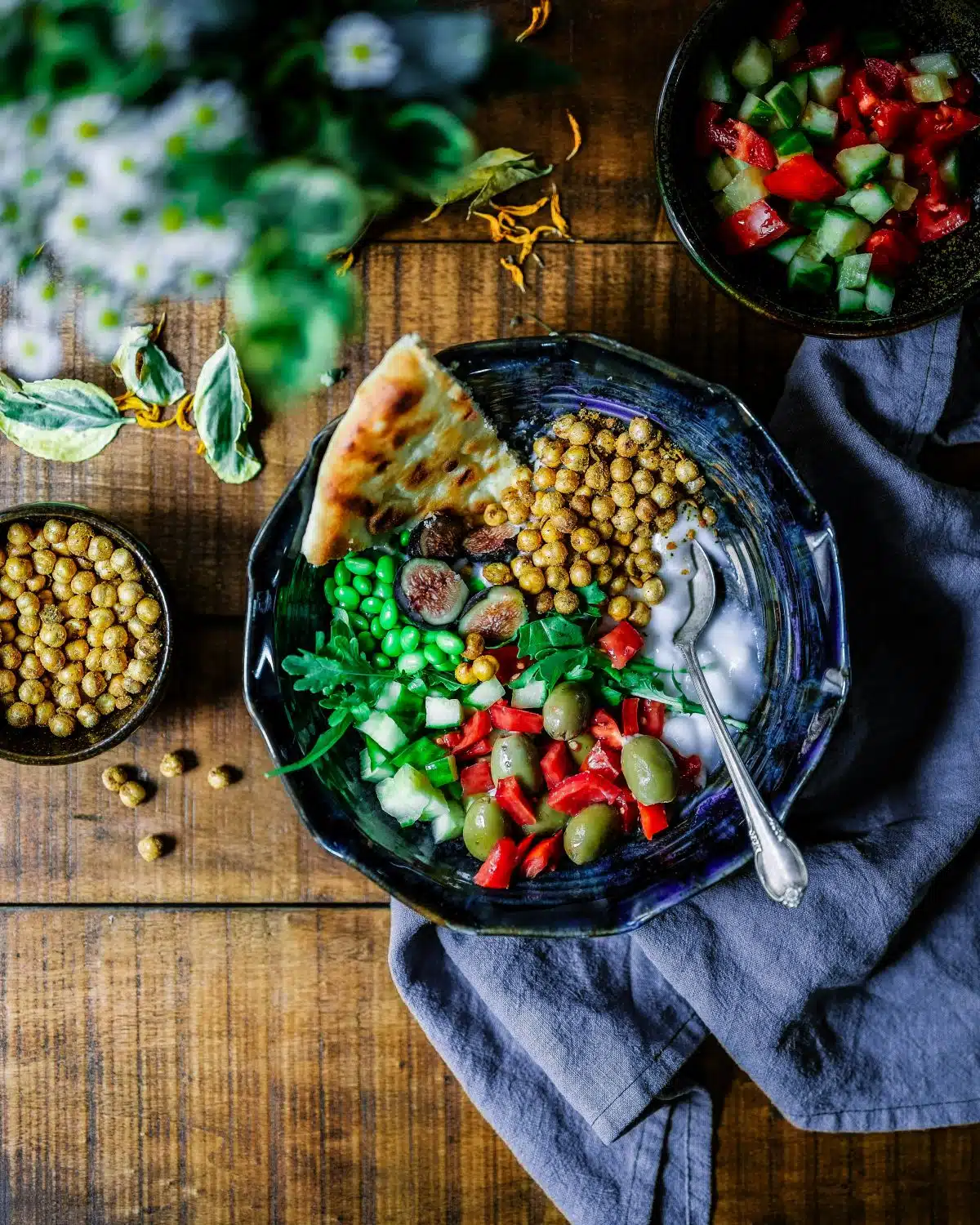
These are common trigger foods for people with IBS, so you may need to follow more of a Low FODMAP Mediterranean diet to benefit from both diets. I enjoy many of the foods on a Mediterranean diet, but I need to adjust my eating habits to meet my individual needs and reduce trigger symptoms. Beans, garlic, and onions are high in fructans, which can trigger bloating and gas; therefore, I limit my intake of these foods.
2. Paleo Diet for IBS: Can it Help?
The Paleo diet is based on eating like our ancestors from the Paleolithic era – focusing on whole, unprocessed foods while eliminating grains, legumes, dairy, and refined sugar. The diet emphasizes lean proteins, vegetables, fruits, nuts, and seeds while avoiding processed foods, artificial additives, and most modern agricultural products.
For some people with IBS, the Paleo diet can offer relief because it removes gluten, dairy, and refined sugars that can irritate the gut. However, it’s not specifically designed for IBS, and results can vary depending on individual food sensitivities.
Potential Benefits of the Paleo Diet for IBS:
- Eliminates processed foods: Many people with IBS react poorly to additives, preservatives, and artificial sweeteners; therefore, the Paleo diet can provide relief.
- Removes gluten and dairy: Both can be problematic for IBS sufferers. However, sometimes, it is the high FODMAP fructan found in many foods with gluten that people with IBS are sensitive to.
- Emphasizes whole, nutrient-dense foods: A diet rich in vegetables, lean proteins, and healthy fats can improve gut health.
- May help with inflammation: Since the diet reduces or eliminates common inflammatory foods, such as refined sugars and inflammatory oils, some people may feel less bloated and inflamed.
Potential Drawbacks for IBS:
- High fiber intake from raw vegetables and nuts: Consuming too much insoluble fiber can trigger symptoms such as gas, diarrhea, and bloating.
- Excludes grains and legumes: While some people with IBS feel better without grains and legumes, it may be challenging for others, as it limits fiber intake.
- Not specifically low FODMAP: Since the Paleo diet allows all vegetables and fruits, it doesn’t limit high FODMAP foods such as onions, garlic, and cauliflower. So, people may still have IBS symptoms.
My Personal Experience with Paleo
On my journey of learning how to feel better with IBS, I followed the Paleo diet for a few weeks. Initially, I noticed significant improvements in my bloating and gas, and my bowel movements became slightly more regular. The Paleo diet did provide some relief. However, my IBS symptoms were not completely resolved.
- Some foods on the Paleo diet are not low in FODMAPs, so eating onions, garlic, and others still caused me bloating.
- Avoiding grains helped alleviate my symptoms, but not having the high fiber from beans limited my overall fiber intake.
Ultimately, combining a Paleo Low FODMAP diet proved to be the most effective for me. My best plan was to focus on whole, unprocessed foods and limit the high FODMAP foods that trigger my symptoms. Limiting grains and legumes works best for me, but I can occasionally have small portions of them.
Check out my Paleo recipes on the blog!
3. Low FODMAP Diet for IBS
Researchers at Monash University in Australia created the Low FODMAP diet, one of the most well-researched dietary approaches for IBS. Unlike other diets that focus on overall health or inflammation, the Low FODMAP diet is specifically designed to reduce common IBS symptoms, such as bloating, gas, constipation, and diarrhea. According to a 2017 study, it is effective in 75% of people. (4)
This diet eliminates foods high in FODMAPs (Fermentable Oligosaccharides, Disaccharides, Monosaccharides, and Polyols). These short-chain carbohydrates are poorly absorbed in the gut and can trigger IBS symptoms. The diet has three phases: the elimination phase, the reintroduction phase, and the personalization phase. The first phase can last 2-6 weeks.
Potential Benefits of the Low FODMAP Diet:
- Clinically proven to reduce IBS symptoms: Studies show that up to 75% of people with IBS have significant symptom relief.
- Personalized approach: You can pinpoint your trigger foods by reintroducing foods systematically.
- Not meant for the long term: The initial phase is 2-6 weeks, after which you can start reintroducing foods.
- Supports gut health: Choosing a variety of low FODMAP high fiber foods and incorporating probiotics can help maintain a healthy gut microbiome.
Potential Drawbacks for IBS:
- It can be restrictive and overwhelming at first: The elimination phase eliminates many everyday foods, such as onions, garlic, and bread, making meal planning challenging.
- It doesn’t address diet quality: It is still possible to follow a Low FODMAP diet and eat mainly processed foods, which may support gut health in the long term.
- Not designed for inflammation reduction: While the Low FODMAP diet is highly effective for reducing IBS symptoms, it’s not specifically an anti-inflammatory diet. So, it doesn’t address inflammation like the Paleo and Mediterranean diets.
- May impact the gut microbiome: Long-term avoidance of high FODMAP foods, which contain prebiotics, can reduce gut bacteria. Therefore, it is recommended to reintroduce the foods you tolerate, even in small amounts.
My Personal Experience with the Low FODMAP Diet
After trialing the Paleo diet and seeing an improvement but no complete resolution of my symptoms, I added on the Low FODMAP diet. The initial elimination phase was challenging – I had to adjust my usual meals, learn to read labels for common high FODMAP ingredients, and find low FODMAP substitutes for my favorite foods. Going out to eat can be challenging because many foods contain garlic and onions.
Being a dietitian was helpful for me while navigating the Low FODMAP diet, but this was a new territory for me.
However, after a few weeks, I noticed a huge difference.
- My bloating, gas, and stomach pain significantly improved. For the first time in years, I wasn’t bloated every day.
- I felt more in control after the reintroduction phase because I learned which foods were triggering my symptoms.
- The combination of a Paleo and a Low FODMAP diet helped alleviate my inflammation. For so long, my intestines felt swollen, and the swelling improved.
That being said, I wasn’t perfect. It’s easy for some high FODMAP foods or ingredients to sneak in. But I planned my meals as carefully as possible.
I was grateful that I could switch to gluten-free options, and my boyfriend didn’t mind. Having a supportive partner is beneficial. I didn’t stay on a Paleo Low FODMAP diet because it is very restrictive. I needed to eat more sustainably.
Over time, I have been able to eat small portions of foods that initially triggered symptoms, such as legumes and onions. It’s a good idea to retest the foods that initially triggered symptoms because you may be able to tolerate them better after some time. The Low FODMAP diet is not meant to be a long-term restrictive diet.
Comparison Table: Mediterranean vs. Paleo vs. Low FODMAP Diets for IBS
| Feature | Mediterranean Diet | Paleo Diet | Low FODMAP Diet |
| Focus | Whole grains, lean proteins, healthy fats, fruits, and vegetables | Whole foods, lean meats, fish, nuts, and vegetables | Eliminates high-FODMAP carbs, focuses on gut symptom relief |
| Anti-Inflammatory? | Yes, rich in omega-3s and polyphenols | Yes, removes processed foods and inflammatory additives | Somewhat, but mainly focused on symptom relief |
| IBS-Friendly? | It can be, but some foods may trigger symptoms | It can be sustainable but restrictive for some | Yes, designed specifically for IBS |
| Long-Term Sustainability? | Yes, balanced and flexible | It can be restrictive and reduce fiber intake | No, meant for short-term elimination before reintroduction |
| Challenges | Some high-FODMAP foods | Restricts grains and legumes | Can be restrictive and reduce fiber intake |
Which Diet Is Best for IBS?
My summary of the best diet for IBS is the one that fits your lifestyle. Some may find following a Low FODMAP diet, even for a short period, too overwhelming. So, the Mediterranean or Paleo diets may be better options.
The Mediterranean diet is the best overall for gut health and long-term sustainability. Still, it may need to be adjusted to eliminate high FODMAP foods such as garlic, onions, and legumes.
The Paleo diet eliminates processed foods and encourages the consumption of whole foods, which can help alleviate symptoms. However, some foods on the Paleo diet are still high in FODMAPs, and Paleo can be restrictive.
I recommend trying the Low FODMAP diet to determine which foods trigger your symptoms. A dietitian specializing in IBS can help you navigate the different phases so they are not overwhelming.
Conclusion
When it comes to managing IBS, there’s no perfect diet for everyone, but the right approach can make a big difference in how you feel. Anti-inflammatory diets for IBS, such as the Mediterranean, Paleo, and Low FODMAP diets, each offer unique benefits, and the best choice depends on your symptoms, food tolerances, and lifestyle.
If you are struggling with IBS, I encourage you to start with small, realistic changes and listen to your body. Whether that means trying the Low FODMAP diet, adopting the Mediterranean diet, or combining approaches like I did, the key is finding what works for you.
Managing IBS can feel overwhelming, but you don’t have to do it alone! Sign up for my weekly emails to get expert-backed IBS tips, gut-friendly recipes, and practical strategies to help you feel your best. Plus, you’ll be the first to know when I share new blog posts and resources!
I’d love to hear from you—have you tried any of these diets for IBS? What worked (or didn’t work) for you? Let’s chat in the comments below!
References
- Ng QX, Soh AYS, Loke W, Lim DY, Yeo WS. The role of inflammation in irritable bowel syndrome (IBS). J Inflamm Res. 2018 Sep 21;11:345-349. doi: 10.2147/JIR.S174982. PMID: 30288077; PMCID: PMC6159811.
- Tsigalou C, Konstantinidis T, Paraschaki A, Stavropoulou E, Voidarou C, Bezirtzoglou E. Mediterranean Diet as a Tool to Combat Inflammation and Chronic Diseases. An Overview. Biomedicines. 2020 Jul 8;8(7):201. doi: 10.3390/biomedicines8070201. PMID: 32650619; PMCID: PMC7400632.
- Chiarioni G, Popa SL, Ismaiel A, Pop C, Dumitrascu DI, Brata VD, Duse TA, Incze V, Surdea-Blaga T. The Effect of Polyphenols, Minerals, Fibers, and Fruits on Irritable Bowel Syndrome: A Systematic Review. Nutrients. 2023 Sep 20;15(18):4070. doi: 10.3390/nu15184070. PMID: 37764853; PMCID: PMC10534596.
- Halmos EP. When the low FODMAP diet does not work. J Gastroenterol Hepatol. 2017 Mar;32 Suppl 1:69-72. doi: 10.1111/jgh.13701. PMID: 28244666.
